
Ecommerce SEO is the process of making your product, category and brand pages easier to find on search engines for the terms shoppers use. Shoppers search in different ways, for example “buy [product] online”, “[product] shop in Indore”, “best [product] for [use]” or “[product] near me”. These are examples only, and the right keywords depend on what you actually sell.
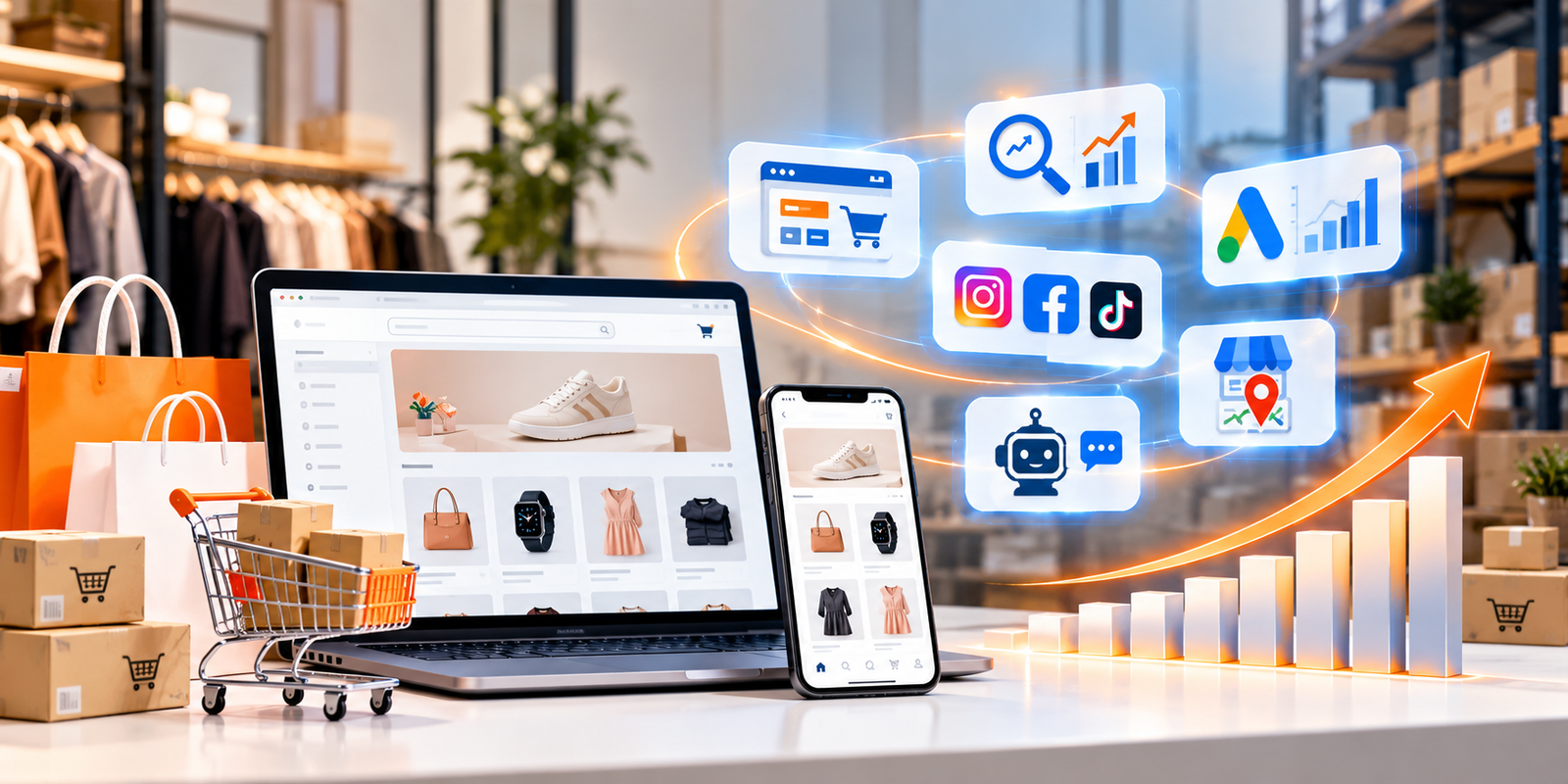
Online shoppers rarely buy on the first visit. They search, compare prices, read reviews, check delivery and return details, and often switch between marketplaces, social media and brand websites before they decide. For many ecommerce and retail businesses, the challenge is not only getting traffic. It is turning the right visitors into buyers while keeping marketing costs under control. Here are six challenges many ecommerce and retail businesses face online.

Many shoppers start on marketplaces or compare prices across sellers, which makes it harder for an independent store to stand out.
Thin product descriptions, missing images and unclear details can limit both search visibility and buyer confidence.
Without proper tracking and campaign structure, ad spend can be hard to connect to actual orders.
Slow pages, a complicated checkout or unclear delivery and return information can make shoppers drop off.
Some businesses rely on offers to drive sales, which can affect margins and make repeat buying harder.
Without email, WhatsApp or remarketing follow-up, many first-time buyers never return.
Search visibility helps the right shoppers find your products. A clear website and strong product pages help them trust and buy. Google Ads and Meta Ads can reach people who are searching or likely to be interested, and tracking shows which campaigns bring relevant visitors. Follow-up through email and WhatsApp helps bring buyers back.
Category and product pages built so shoppers can find your products on Google.
Follow-up messages that help bring first-time buyers back.
Paid campaigns to reach likely customers and bring past visitors back.
A clear, mobile-friendly store presence with strong product pages and an easy path to purchase.
Product content, creatives and social media posts that build visibility and trust.
Ecommerce and retail marketing works best when each part of the shopper’s journey is connected. A shopper who finds you through search or an ad should land on a relevant product page, trust what they see, find it easy to buy, and be reminded to come back. Your team should also be able to see which channels are bringing relevant visitors and orders. We help connect these stages instead of treating SEO, ads, website and follow-up as separate projects.
Category and product pages built to be found on Google.
Shoppers search for products, brands and comparisons.
Google Ads and Meta Ads reach people likely to be interested.
Content and creatives that build visibility and trust.
A clear, mobile-friendly store presence with easy navigation.
Clear images, details and reviews that help shoppers decide.
A simple path from product to order or enquiry.
Campaign and conversion data show what is bringing relevant visitors.
Email and WhatsApp messages that bring buyers back.
Our approach follows how shoppers actually find and buy products, from the first search or ad to the repeat purchase. A customer may discover a product on Google, check reviews, compare prices on a marketplace, see an ad on Instagram and buy days later. Digital marketing for ecommerce and retail works best when each of these stages is planned, not left to chance.
